Red blood cell breakdown may drive cognitive problems in SCD
Blood analysis, mouse experiments show process can trigger protein changes
Written by |
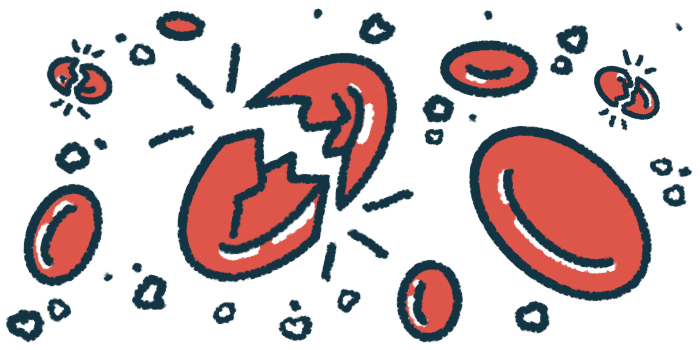




The breakdown of red blood cells — a defining feature of sickle cell disease (SCD) — may contribute to the cognitive problems many people with the condition experience, a study suggested.
Researchers found that the breakdown of red blood cells, known as hemolysis, releases heme into the bloodstream, which can trigger harmful changes in tau, a protein that helps maintain nerve cell structure. In mouse models of SCD, these changes were associated with brain injury and worsening cognitive performance.
The findings suggest that inhibiting these tau-related changes “may be a potential therapeutic strategy to prevent neurocognitive deterioration in SCD,” the researchers wrote.
The study, “Heme-mediated Tau phosphorylation drives neurocognitive responses in sickle cell disease,” was published in Blood Red Cells & Iron.
Cognitive impairment is common in SCD, with approximately half of patients experiencing difficulties with thinking, expressive language, processing speed, and working memory. Studies have shown that subtle yet widespread damage to brain regions involved in these cognitive processes is associated with poorer cognitive performance in people with SCD. However, the biological mechanisms driving these brain changes have remained unclear.

Investigating the mechanisms behind brain changes
Hemolysis leads to the release of heme — the iron-containing part of hemoglobin, a protein that normally helps red blood cells carry oxygen — into the bloodstream.
When released into circulation, heme can damage and activate blood vessels. In the brain, this can trigger a reactive response from nearby support cells known as astrocytes, which normally help protect nerve cells. This response can potentially disrupt nerve cell health and may contribute to brain injury.
Tau helps maintain the structure of nerve cells. When it undergoes abnormal chemical modifications through a process called phosphorylation, it can lose its normal function and contribute to nerve damage and cognitive impairment in several neurological conditions.
The researchers hypothesized that heme released during hemolysis could trigger tau phosphorylation in the cells lining small blood vessels in the brain, activate nearby astrocytes, and ultimately lead to brain injury and cognitive impairment in SCD.
To test this hypothesis, they first analyzed blood samples from 24 SCD patients enrolled in the Sickle Cell Registry at the University of Pittsburgh, along with 12 healthy, age-matched participants.
People with SCD had significantly higher blood levels of neurofilament light chain (NfL), a protein released when nerve cells are damaged, and pTau217, a phosphorylated form of tau linked to cognitive issues in Alzheimer’s disease.
They found that higher levels of both markers were associated with increased markers of hemolysis, including circulating heme, suggesting that red blood cell breakdown may contribute to brain injury in SCD.
The team then turned to mouse models of SCD. These mice had higher initial levels of both NfL and pTau217 than healthy mice, mimicking the results seen in patient samples.
When researchers injected heme into mice to simulate hemolysis, levels of both markers rose further in SCD mice. This suggested that even modest increases in circulating heme may trigger nerve cell damage in SCD, the researchers noted.
Further analyses revealed that SCD mice exposed to heme exhibited significantly greater damage in brain regions critical for cognitive function, had increased astrocyte reactivity, and performed worse on cognitive tests than SCD mice receiving no heme.
These effects were largely prevented when SCD mice were treated in advance with hemopexin, a protein that binds and neutralizes circulating heme, confirming free heme as a key driver of brain injury.
Using brain tissue imaging, the researchers demonstrated that heme exposure increased phosphorylated tau in the cells lining small blood vessels in the brains of SCD mice. Elevated levels of this protein were also observed in astrocytes.
To determine whether tau plays a direct role in brain injury, the researchers generated SCD mice that did not produce the tau protein. Despite heme exposure, these mice exhibited significantly less brain damage and improved cognitive performance compared with SCD mice that produced tau.
“We discovered that [circulating] heme plays an important role in the cerebrovascular complications of SCD and identified Tau as a targetable molecular intermediate,” the researchers wrote.