Curcumin skin gel shown to improve heart health in SCD mice
VAS-101 partially reversed mitochondrial impairments in animal hearts in a lab
Written by |
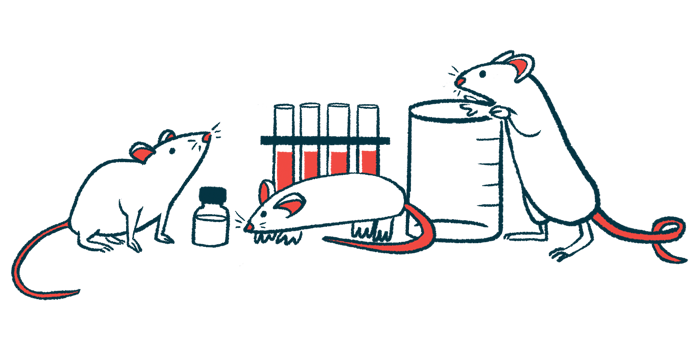
Vascarta‘s VAS‑101, a skin gel containing curcumin — a component of the spice turmeric — was found in laboratory research to partially restore the health of mitochondria, the powerhouses of cells, in the hearts of a sickle cell disease (SCD) mouse model.
“Treatment with VAS‑101 for 21 days … partially restored mitochondrial bioenergetics,” the company noted in the “key findings” section of a press release detailing the research results.
Early this year, Vascara announced the launch of a proof-of-concept Phase 1 clinical trial to evaluate VAS-101 in 10 people with SCD. That study is being conducted by the Foundation for Sickle Cell Disease Research.
According to the company, the new lab findings “[add] to growing evidence that multitarget antioxidant strategies such as transdermal [through-the-skin] curcumin can address key drivers of disease progression in sickle cell patients.”
Joel Friedman, MD, PhD, inventor of VAS-101 at Albert Einstein College of Medicine in New York and Vascarta’s chief scientific officer, said the novel treatment “may represent a promising therapeutic approach for addressing cardiopulmonary [heart and lung] complications in SCD.”
The resulting study, “A novel transdermal curcumin shows potential in improving cardiac bioenergetic functions in Berkeley sickle mouse,” was published in the journal Blood Vessels, Thrombosis & Hemostasis.

A genetic disease, SCD is marked by the production of sickle-shaped red blood cells that can obstruct blood vessels and reduce the flow of oxygen to tissues. This can trigger sudden bouts of intense pain called vaso-occlusive crises. These abnormal cells also are prone to breaking apart — a process known as hemolysis — resulting in anemia, the most common symptom of SCD.
The researchers noted that “cardiopulmonary complications are one of the leading causes of mortality in SCD.”
Curcumin gel VAS‑101 now being tested in SCD patients in early trial
Heart function relies heavily on energy production from mitochondria, and growing evidence suggests mitochondrial dysfunction may be a key contributor to SCD and related heart damage.
Specifically, sickled red blood cells exhibit mitochondrial abnormalities that ultimately lead to increased inflammation and oxidative stress, a type of cellular damage derived from an imbalance between harmful free radicals and antioxidant molecules.
Curcumin, a bright yellow, naturally occurring compound derived from the spice turmeric, is thought to have antioxidant and anti-inflammatory properties, as well as relatively low toxicity.
However, curcumin’s potential to treat human diseases is limited by its low bioavailability — a small fraction of curcumin enters the bloodstream when taken orally.
Vascarta’s VAS-101, also known as Vasceptor, is a topical/transdermal curcumin gel formulation that uses patented technology to boost curcumin absorption into the body.
By bypassing the gastrointestinal tract and liver and delivering curcumin directly into [body-wide] circulation, VAS‑101 appears to achieve therapeutic efficacy previously unattainable through oral formulations.
In preclinical studies, VAS‑101 reduced hemolysis, oxidative damage, proinflammatory signaling proteins, and pain behaviors in Berkeley sickle mice (BERK‑SS), a well‑established SCD model.
“By bypassing the gastrointestinal tract and liver and delivering curcumin directly into [body-wide] circulation, VAS‑101 appears to achieve therapeutic efficacy previously unattainable through oral formulations,” the company stated in its release.
The ongoing Phase 1 trial is assessing VAS-101’s safety and effects on blood flow, inflammatory markers, pain, and red blood cell sickling and oxygen transport in SCD patients.
New research looked at drug’s effects on the health of cells’ powerhouses
Now, a team led by researchers at the U.S. Food and Drug Administration’s Center for Biologics Evaluation and Research used BERK-SS mice to investigate the effect of VAS-101 on mitochondrial function in heart muscle tissue.
The researchers first examined mitochondrial function in the heart tissue of control (untreated) BERK‑SS mice, finding that these mitochondria had a low oxygen consumption rate relative to healthy mice.
This indicated impairment of the electron transport chain, the mitochondrial metabolic pathway that generates ATP, the primary energy currency of cells. The SCD mouse model also had reduced activity of two enzymes within the mitochondrial electron transport chain: NADH dehydrogenase and ATP synthase.
In addition, multiple tests found signs of elevated oxidative stress, as well as disruptions in the metabolism of fatty molecules, calcium regulation, and mitophagy, or the removal of damaged mitochondria, in BERK‑SS mice.
VAS-101 — containing 10 micrograms of curcumin — or an inert gel was then gently rubbed on the abdomen of BERK-SS mice, every other day for three weeks.
Treatment with VAS‑101 reduced oxidative stress markers, partially restored mitochondrial energy production, and improved the activity and abundance of NADH dehydrogenase, according to the company.
Further, VAS‑101 reversed or mitigated abnormalities in proteins involved in several mitochondrial processes, including calcium regulation, membrane dynamics, and mitophagy.
“These findings highlight mitochondrial dysfunction as a critical component [heart disease] in sickle cell disease and demonstrate that transdermal curcumin may help restore mitochondrial [health balance] by reducing oxidative stress and supporting electron transport chain activity,” Friedman said.