
When a sickle cell pain crisis interrupts a stretch of good health, part 2
Physically, it wasn’t the worst crisis I’ve had, but mentally, it was one of the hardest
Written by |

Last in a series. Read part one.
As the sickle cell pain crisis crashed through my body, I started gathering everything I needed before eventually becoming bedbound: water, medication, a heating pad, food. In doing so, I realized I’d become a bit complacent. Because I’d been in such good health as of late, I’d gotten sloppy about where my medications and solutions were. Going forward, I need to have one place for everything, one bag, and everything ready so I don’t have to think in moments like that.
I took my medication and tried to continue with work where I could, but eventually I had to cut things short. One of the benefits of working from home is that I can ease off when needed. I told my manager I wasn’t feeling well and stepped away, and the focus became managing the pain.
The medication helped, but it brought its own challenges. Stronger meds like naproxen and morphine affect my stomach, even when I take things to protect it. Reflux kicks in with a burning sensation and a feeling that something is stuck in my throat. Elsewhere I’m in agonizing pain.
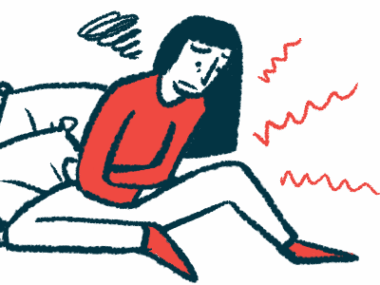
At the same time, the pain itself was strange, settling mostly into my lower back and legs. But it also felt like my body was replaying every recent pain I’d experienced. My jaw ached from going to the dentist for a cleaning. My arms hurt from weight training. It was like everything resurfaced at once. Physically, it wasn’t the worst sickle cell pain crisis I’ve had, but mentally, it was one of the hardest.

Part of that was because I wasn’t alone. My mum and brother were there, and it had been years since they’d seen me like that. Their reactions of shock, worry, and helplessness were clear, and while it was rooted in the love they have for me, it added another layer for me to manage. When you’re in a crisis, you don’t just deal with your own emotions; you feel the emotions of those supporting you, too.
I could tell my mum was struggling. She didn’t know what to do or how to help, and it showed in how she reacted. She was visibly uncomfortable seeing me in pain. She watched me constantly and reacted to every turn and grimace I made. Meanwhile, I was just trying to find a position that eased the pain by moving around, adjusting the heating pad, and doing whatever I could to get comfortable. To someone watching, it probably looked chaotic, but to me, it was my process.
It got to a point where it felt unbearable for her, and she began suggesting an ambulance. That was the point where a mental shift hit me hard. It wasn’t just my own reality being disrupted, but also theirs. In their minds, I’d been healthy, strong, and consistent, and suddenly, that image was broken. That weighed on me, because in that moment, I wasn’t just managing pain, I was managing expectations, emotions, and the shared reality of what sickle cell disease still is.
After a difficult and sleepless night, the medication finally began to kick in.
Acknowledging my growth
I can see growth in how I handled it. I canceled my obligations, told my team I was unwell, and took time off to recover properly. I canceled my therapy session and explained what was going on. My therapist responded by saying he was glad I was listening to my body. This was a reminder to me, because it’s something we’ve worked on for a long time, and this time I actually did it.
The sickle cell pain crisis started on a Wednesday. The next day, I rested, and by Friday, I was back to work, attending meetings and responding where I could. That’s something I don’t take lightly. The recovery wasn’t perfect, but it was faster than before. I didn’t need to go to the hospital, and I was able to manage it at home. This experience reminded me that I can’t predict everything.
Going to the gym didn’t cause this, and I can’t avoid every trigger, but I can control how I respond. I’ll go back to the gym, maybe not immediately and maybe more gradually, but I will, because I know that it’s helped me get to this point, especially with recovery and mental strength. If there’s one thing I’m taking from this, it’s the importance of listening to the body — not when it’s screaming, but when it’s whispering, because sometimes that’s where everything starts.
Note: Sickle Cell Disease News is strictly a news and information website about the disease. It does not provide medical advice, diagnosis, or treatment. This content is not intended to be a substitute for professional medical advice, diagnosis, or treatment. Always seek the advice of your physician or other qualified health provider with any questions you may have regarding a medical condition. Never disregard professional medical advice or delay in seeking it because of something you have read on this website. The opinions expressed in this column are not those of Sickle Cell Disease News or its parent company, Bionews, and are intended to spark discussion about issues about sickle cell disease.


Leave a comment
Fill in the required fields to post. Your email address will not be published.