
Is sickle cell disease a blessing or a curse?
I ponder this question as I approach my 40th birthday
Written by |
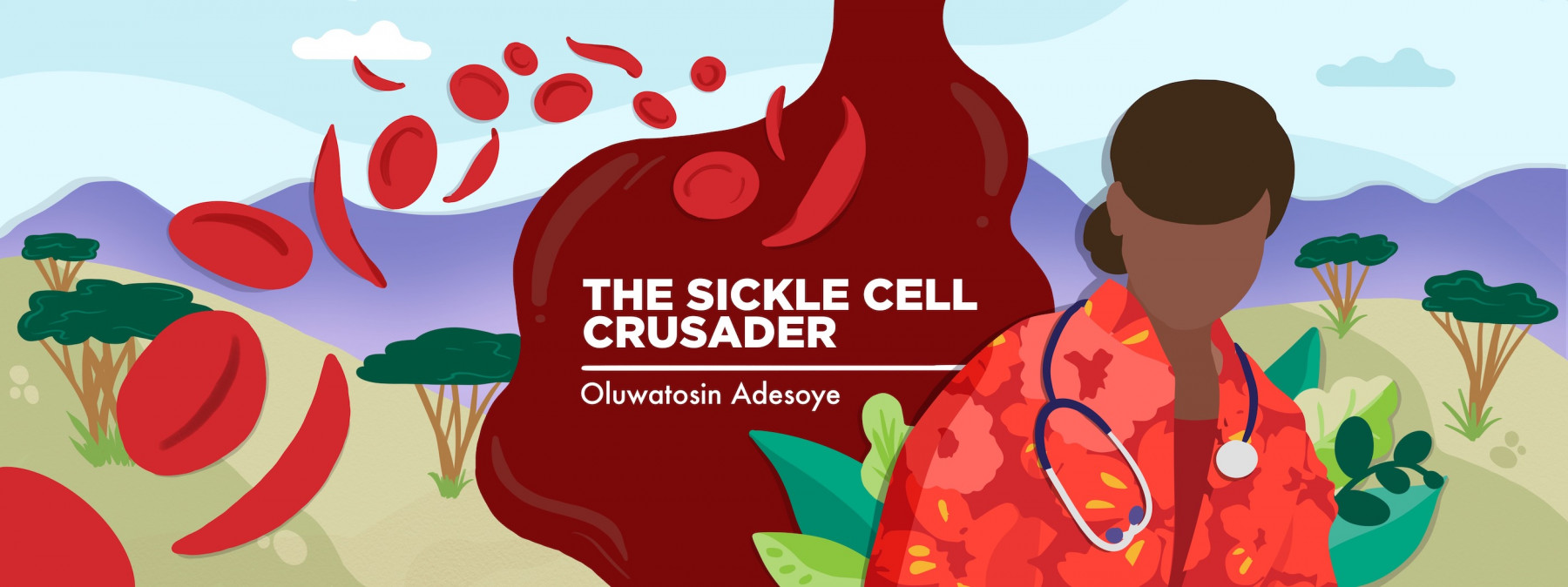
Is sickle cell disease (SCD) a blessing or a curse? I came across this question on social media a few days ago. As I prepare to turn 40, my answer, shaped by four decades of living with SCD, is that, to me, it is neither. It has become part of my purpose.
The way I look at it, I had to be the person living with SCD in order to show others with chronic or rare diseases that they can still dream, pursue their goals, and build meaningful lives despite their health challenges. It had to be me experiencing severe complications, losing much of my mobility, and living with both visible and invisible disabilities in order to show people with disabilities that they can thrive, even when using a wheelchair or living with chronic fatigue and pain.
This isn’t a motivational speech; it’s my lived experience. I’m not just talking about resilience; I’m living it.

From pain crises to life-changing complications
My childhood with SCD was less challenging than adulthood. I experienced occasional acute pain crises and usually recovered. Back then, pain crises were the hallmark of my SCD experience.
By my late teens, this hallmark changed to SCD complications. As an adult, I’ve experienced respiratory, cardiovascular, endocrine, neurological, bone, and psychosocial complications, as well as infections.
Chronic fatigue and pain syndrome have significantly affected my quality of life. I also live with physical disabilities resulting from avascular necrosis and knee ankylosis.
I went from being a young woman who loved strutting around to an adult who navigates life with mobility aids and a wheelchair. Life took a 180-degree turn between my teenage years and adulthood. Yet, amid all these changes, some things have remained constant, including my self-confidence, determination, intelligence, creativity, and problem-solving abilities.
SCD has changed my life, but it has not changed who I am or my purpose.
My room became my executive office
SCD has limited my mobility, kept me indoors for extended periods, and confined much of my life to my room. But rather than allow those limitations to define my future, I found ways to work with what I had: I turned my room into my executive office.
I am too skilled, intelligent, and creative to allow SCD to take away my ability to contribute to the world. My health challenges may limit my mobility, but they do not define the extent of my abilities or my value to myself or my society. I have continued building my career, earning an income, maintaining my financial independence, and achieving all my goals, even in a wheelchair.
My journey has also taken me beyond my original career as a physician. I have become an award-winning rare disease advocate and educator, founded a nonprofit supporting people living with SCD, called Sicklelive Foundation, and established Sickle Cell Celebs, an online community with more than 12,400 members.
What began as a desire to be heard regarding my pain and to educate others about SCD has grown into something much bigger. I started as a patient columnist, sharing my experiences to help others feel understood, and have since diversified into health communication as a medical writer, health editor, and medical reviewer. Today, I draw on my medical training and lived experience to communicate health information and amplify the voices of people living with rare diseases. This is how I turned my pain into purpose.
My message as I turn 40
If you are a fellow sickle cell warrior, I want to ask: Are you afraid that your challenges will consume you?
It’s OK to feel tired and acknowledge that some days are harder than others. You don’t have to pretend to be strong every day.
Please don’t let your current circumstances convince you that your dreams are no longer possible. Your journey may look different from what you had imagined, and you may need new ways to pursue your goals. That doesn’t make your dreams any less valid.
Thriving with SCD doesn’t mean being free from pain, complications, or limitations. Sometimes it means finding ways to live meaningfully despite them.
As I approach my 40th birthday, I am grateful to God, my family, my friends, and everyone who has supported me, especially when I didn’t feel strong enough to keep going. I’m also grateful to myself for persevering, even when rejection came more often than acceptance.
So is SCD a blessing or a curse? I can’t speak for everyone living with this condition, and I would never tell anyone that their suffering is a blessing. But for me, this journey has shaped my purpose, strengthened my advocacy, and given me opportunities to make a difference in other people’s lives.
I am entering this new decade with gratitude, determination, and unfinished dreams. I will continue pursuing my ambitions and advocating for people living with SCD.
Even through the pain, I am still here. I am still creating, working, advocating, and living. And I am not done yet.
Note: Sickle Cell Disease News is strictly a news and information website about the disease. It does not provide medical advice, diagnosis, or treatment. This content is not intended to be a substitute for professional medical advice, diagnosis, or treatment. Always seek the advice of your physician or other qualified health provider with any questions you may have regarding a medical condition. Never disregard professional medical advice or delay in seeking it because of something you have read on this website. The opinions expressed in this column are not those of Sickle Cell Disease News or its parent company, Bionews, and are intended to spark discussion about issues pertaining to sickle cell disease.

Leave a comment
Fill in the required fields to post. Your email address will not be published.